
Gutters protect a home from rainwater and help keep the roof, walls, and foundation dry. When gutters start leaking or sagging, small problems can quickly become costly. Fortunately, many minor gutter issues can receive simple attention at home. DIY Gutter Repair can help homeowners understand the problem and handle basic fixes safely. But it needs to be noted that not all problems related to gutters need to be addressed by a homeowner as part of house repair. Professional assistance is needed especially where there is worry about roofs and ladders. This manual highlights common gutter issues in simple language. Equipment, safety, leaks, loose sections, blockage, and maintenance are some of the issues discussed in this manual.
1. Know When a Gutter Needs Repair
There are many signs before gutters develop a serious problem. Hence, early detection will enable one to prevent other water issues in the property. Be on the lookout for any water that is flowing on the sides of the gutters especially during rainfall. Additionally, be aware of any cracks, holes, rusts, or joints. Yet another problem arising from bad gutters is sagging. The problem may cause water retention in some areas where water should be directed towards the downspout.
Signs to look for:
- Water drips from the seams and corners.
- Separation of the gutters from the roof.
- Very minimal amount of water dispensed through the downspouts.
- Water pools at the foundation level.
- Peeling of the paint at the bottom of the gutter.
These signs indicate that there is a need to maintain the gutters. However, they may suggest complicated issues with the roof and the drainage system. Therefore, careful evaluation is required before carrying out any repairs.
2. Gather the Right Tools and Materials
Good preparation will make the job much easier, and it will help avoid unnecessary delays in the future. Luckily enough, smaller fixes can be done using ordinary home tools and gutter supplies.
Some items to consider for this kind of job include:
- A solid ladder.
- Gloves.
- A bucket.
- Soft brush.
- A screwdriver or a drill.
- Gutter sealant.
- New screws and/or hangers.
- Small patches for the gutter.
The type of material that is needed will depend on the type of fix that you need to do. However, safety equipment matters just as much as repair materials. Gloves can protect hands from sharp metal edges. A stable ladder can also reduce the risk of falls. That principle keeps rain gutter repair diy simple and focused. Avoid buying materials before identifying the cause. Otherwise, the wrong fix may only hide the problem for a short time.
3. Handle Small Gutter Leaks
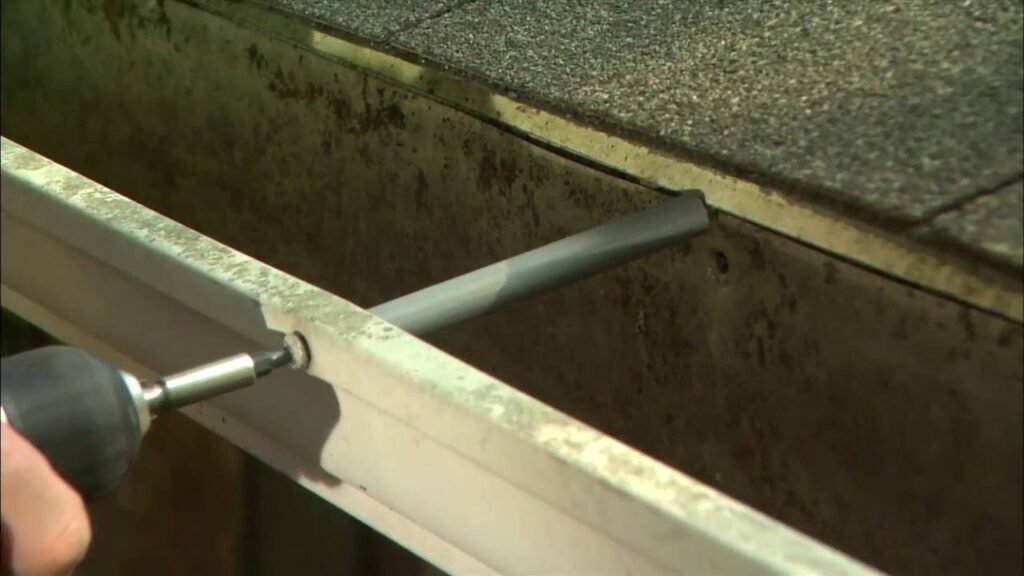
Small leaks often occur where there are joints in gutters or where corners exist. Thankfully, there are cases where simple patches and seals will fix the leaks. This requires the area to be cleaned and dry because any dirt, leaves, and even old sealants can hinder the proper bond of the new sealants. Hence, preparation is an essential part of the process. Small holes may need patches made from the same materials as the gutters.
Some steps in a simple repair include:
- Cleaning the affected area.
- Removing loose or affected sealants.
- Sealing with appropriate gutter sealant.
- Patching when necessary.
- Curing the repair.
Likewise, roofing and gutter problems can sometimes overlap. A homeowner searching for the Best Roofing Company In Goshen, IN may need broader roof and drainage evaluation. Afterward, water flow should receive attention during the next rainfall. If the leak continues, the damage may extend beyond the visible spot. Proper maintenance can therefore save time and reduce future repair costs.
4. Fix Sagging and Loose Gutters
Sagging gutters usually result from loose hangers, damaged fasteners, or poor water flow. Over time, leaves and standing water can increase the load. A gutter should maintain a slight slope toward the downspout. This slope allows rainwater to move instead of sitting inside the channel. When the gutter bends downward, water can collect in the middle.
Why gutter alignment matters
Proper alignment supports better drainage and reduces unnecessary weight. It also helps prevent water from spilling against siding, trim, or the foundation.
Common repair needs include:
- Replacing loose screws.
- Adding damaged or missing hangers.
- Realigning sections.
- Clearing heavy debris.
- Checking the downspout connection.
However, badly bent gutters may not return to their original shape. In that case, replacement may provide a safer long-term solution. This part of fixing gutters diy requires patience. A rushed repair can leave the gutter uneven and create another drainage problem.
5. Clear Clogs and Improve Water Flow
Clogged gutters remain one of the most common causes of overflow. Leaves, twigs, roof grit, and other debris can block water from reaching the downspout. Regular cleaning helps prevent this problem. However, gutter cleaning should always account for ladder safety and roof conditions.
A simple inspection can reveal:
- Packed leaves inside the gutter.
- Water sitting near the downspout.
- Slow drainage during rain.
- Plants growing inside the gutter.
- Overflow from one specific section.
After debris removal, water should flow freely through the system. A blocked downspout may need separate attention. Poor drainage can cause water to collect near the foundation. Consequently, a simple clog can contribute to moisture problems around the home. For homeowners researching gutter damage repair, drainage should remain part of the inspection. Fixing a leak without correcting poor water flow may only treat one symptom.
6. Understand When a Patch Is Not Enough
Some gutter damage goes beyond a simple home repair. Large cracks, major dents, separated sections, and extensive rust may weaken the entire system.
In these cases, replacement can make more sense than repeated patching. Constant repairs can also become frustrating when the same area keeps failing. Homeowners should also consider the age and condition of the gutters. Older systems may have several weak points at once. Meanwhile, homes needing major upgrades may benefit from learning about Seamless Gutter Installation. Seamless systems reduce the number of joints where leaks can develop.
7. Know When Professional Help Makes Sense
DIY repairs work best for small, clear problems. However, some situations create unnecessary risk. Roof access can become dangerous, especially during wet or windy weather. Tall homes can also make ladder work much more difficult.
Professional help becomes more reasonable when:
- Gutters sit several stories above ground.
- The roof has visible damage.
- Gutters have pulled away from the fascia.
- Water enters the home.
- Extensive rust affects long sections.
- Repairs keep failing.
- The drainage design appears incorrect.
Local conditions can also affect gutter choices. For example, homeowners researching Gutter Installation In Mishawaka, IN may need to consider regional weather and seasonal rainfall.
8. Keep Gutters Working After the Repair
A successful repair does not end when the visible problem disappears. Regular maintenance helps protect the repair and keeps rainwater moving correctly.
Check gutters several times throughout the year. Pay special attention before seasons with heavier rainfall.
A simple maintenance routine can include:
- Checking for new leaks.
- Removing leaves and debris.
- Watching water flow during rain.
- Inspecting gutter connections.
- Checking downspouts for blockages.
- Looking for new sagging areas.
Preventive care can also extend the useful life of a gutter system. Furthermore, regular checks make small problems easier to spot. The goal of DIY Gutter Repair is not simply to fix one leak. It is to understand how gutters protect the home and recognize problems early. With careful maintenance, homeowners can reduce unnecessary water damage and keep drainage working as intended.
A Small Repair Can Protect a Much Bigger Investment
Gutters may look simple, but they play an important role in protecting a home. Small leaks, clogs, and loose sections deserve attention before water creates larger problems. DIY Gutter Repair can work well for minor issues when the repair remains safe and manageable.
At the same time, major damage deserves professional evaluation. Good judgment matters more than completing every repair alone. For homeowners comparing repair options, CK Superior Roofing can also be considered when a gutter concern connects with broader roofing needs.
FAQs
1. Can homeowners repair small gutter leaks?
Yes, small leaks can often receive basic repairs. Clean surfaces, suitable sealant, and proper patches can address minor openings.
2. How often should gutters be checked?
Gutters should receive regular inspections throughout the year. Seasonal checks can help identify leaves, clogs, loose fasteners, and new leaks.
3. What causes gutters to sag?
Sagging usually comes from loose hangers, missing fasteners, debris, or standing water. Older gutters can also weaken over time.
4. Is gutter repair safe for beginners?
Basic repairs may be manageable when the work stays at a safe height. However, ladder work creates serious fall risks. Wet roofs and high gutters increase those risks further.
5. When should gutters be replaced instead of repaired?
Replacement may make sense when gutters have extensive rust, large cracks, severe dents, or repeated failures. The overall age and condition also matter.