
A hailstorm can pass in minutes, yet its effects may remain for years. Small pieces of ice can strike shingles, vents, flashing, gutters, and other roof parts. Some damage looks obvious, while other signs stay hidden beneath the surface. That makes a careful hail damage roof inspection especially valuable after a strong storm.
At first, the roof seems absolutely fine from below. But even small cracks and dents may cause roofing materials to become vulnerable over time. Then, rain can get through these vulnerable points and cause more damage. Thus, it is essential for homeowners to be aware of what hail may damage to make better decisions. This will also determine situations where damage affects the future functioning of the roof. Above all, the knowledge helps people recognize the significance of addressing minor damage in advance.
1. Hail Can Cause More Damage Than It Shows
It is not necessary for hail to cause any visible damage to your home. In some cases, it is likely that there will be more dents than anything else. While dents do not pose an immediate threat, they will make your roofing less durable. Obviously, the size of the hailstones plays an important role, but other factors, such as the wind, play their role as well. For example, winds will hit the same spot on your roof again and again. Age will play a role as well. A Hail Damage Roof Inspection can help identify these less visible concerns. A trained inspector usually checks shingles, flashing, vents, gutters, and roof edges. In addition, the inspection may reveal areas that need closer attention.
2. Look Beyond The Shingles
Shingles tend to garner more interest than hail. There are still many other parts of the roof that might be damaged in a single storm. The vents, skylights, gutters, downspouts, flashings, and roof perimeters may all face multiple hits. Vent covers that have cracks can provide access for water into sensitive parts of the roof. Flashings that are damaged can open up gaps along the joints on the roof. At the same time, warped gutters will impact the way that water flows away from the building. A Hail Damage Roof Inspection can provide a broader view of the roof’s condition. It can also help separate storm-related damage from normal wear.
This matters because homeowners need accurate information before considering repairs. A damaged vent may require different attention than a damaged shingle. Likewise, gutter damage does not always mean the entire roof needs replacement.
3. Common Signs of Hail Damage
Some signs appear quickly after a storm. Others become easier to notice as roofing materials age. Knowing these signs can make post-storm concerns easier to understand. Granules in gutters can provide an important clue. However, they do not automatically prove hail damage. Roof age and normal wear can also cause granule loss. Likewise, a single dent does not always mean major structural damage. Context matters. Therefore, a careful Hail Damage Roof Inspection provides better information than a quick visual glance.
Photos can also help document visible changes after severe weather. Clear records may support future maintenance decisions and help track roof condition over time.
4. Why Hidden Damage Can Become a Bigger Problem
Hail damage may start as a small surface problem. Over time, however, damaged materials can lose their ability to shed water properly. Moisture may then reach areas that should remain dry.
Once water enters, several problems can follow. Wood can become damp, insulation can lose effectiveness, and interior surfaces can develop stains. Persistent moisture can also create conditions that support mold growth. That is why timing matters after severe weather. A roof inspection after hail storm can help identify concerns before they spread.
Weather adds another layer of risk. Rain, wind, freezing temperatures, and repeated storms can place more stress on already damaged materials. The value for homeowners comes from early awareness. A small damaged area may remain manageable when identified quickly. However, ignored damage can affect more parts of the roofing system. A Hail Damage Roof Inspection can therefore provide useful information about current roof conditions and possible future concerns.
5. When Hail Damage May Require Roof Replacement
Not every hailstorm means a roof needs replacement. Minor damage may affect only a limited area. More widespread damage can create a different situation. Roof age also matters. An older roof may already have worn materials before the storm arrives. Hail can then add new damage to an already weakened system. In some cases, repairs can address specific damaged areas. However, widespread impact across many roof sections may make replacement more practical.
A Hail Roof Replacement decision should depend on the roof’s overall condition. It should also consider material type, damage level, remaining service life, and repair options.
Homeowners benefit from understanding the difference between repair and replacement. A replacement decision should not rely only on the appearance of a few shingles. Likewise, the term hail damage new roof can sound simple, but the actual situation requires careful evaluation. A new roof may make sense when damage affects a large portion of an already aging system.
6. Why Inspection Quality Matters
A thorough inspection takes into account more than the obvious damage to the roof. It assesses the material used, the age of the roof, the state it was in before the storm, and those sections that are most susceptible to the damage of the storm. The inspector might look at shingles taken from various slopes of the roof. The flashing, vents, valleys, edges, gutters, and other exposed components may also be examined. Good documentation is valuable too.
A hail damage roof inspection should provide useful facts rather than create unnecessary fear. Homeowners deserve clear information about what appears damaged and what appears sound. For commercial properties, similar concerns can affect larger roofing systems. Commercial Roof Repair may involve different materials, drainage systems, and maintenance needs than residential roofing.
7. Hail Damage Can Affect More Than One Property Type
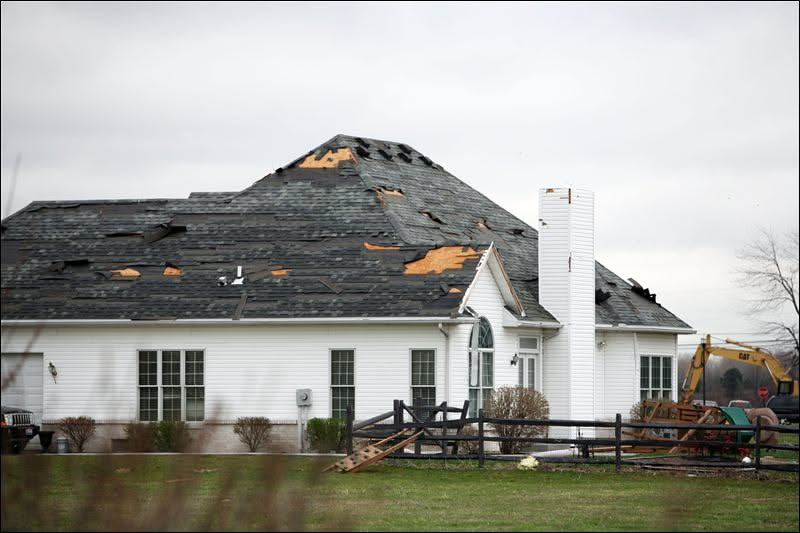
Hail does not choose between homes and businesses. Both property types can experience roof damage during severe storms. Residential roofs often use asphalt shingles, while commercial buildings may use membrane or metal roofing systems. Each material can react differently to hail impacts. Commercial properties also have larger roof surfaces. Therefore, even a short storm can affect many areas at once.
A hail damage roof inspection can help identify patterns across a roof rather than focusing on one visible spot. This broader view can matter when deciding how serious the storm’s effects may be.
Local weather also plays a role. Areas across northern Indiana can experience strong storms during certain parts of the year. Property owners searching for Roofing Services in Goshen, IN may therefore encounter questions about storm-related maintenance and roof condition.
8. What Homeowners Should Know After a Hailstorm
The days after a hailstorm often bring questions. Is the roof damaged? Are those marks serious? Could a small leak develop later? Does the roof need repair or replacement?
A hail damage roof inspection can answer many of these questions through a structured evaluation. The findings can help separate visible damage from normal aging.
It also helps to consider the entire property. Gutters, siding, windows, vents, and exterior surfaces may show storm impacts too. These areas can provide useful clues about the storm’s strength. For homeowners, the biggest benefit is clarity. A careful evaluation can reveal whether the roof appears sound or shows signs that deserve further attention.
Local property owners may also encounter businesses such as a Roofing Company in Elkhart IN when researching roofing information after severe weather. Regardless of location, the goal remains the same: understand the roof’s condition and make decisions based on reliable findings.
A Roof’s Story Often Continues After the Storm
Hail may disappear from the yard within hours, but its effects can remain on a roof much longer. Small dents, missing granules, cracked components, and weakened areas can slowly change the way a roof handles weather. That makes awareness valuable. A careful hail damage roof inspection can provide a clearer picture of what happened and what the roof may need next.
For property owners, knowledge creates better choices. Roof condition, material age, storm intensity, and visible evidence all deserve consideration. For those researching storm-related roofing concerns, CK Superior Roofing can also serve as a reference point for understanding local roofing topics and property maintenance needs.
FAQs
1. Can hail damage be hard to detect on the roof?
Yes. Some small impacts may not lead to the visible presence of holes or leaks. In fact, hail can damage shingles, flashing, vents, etc.
2. Will all hailstorms damage the roof?
No. All hailstorms differ in size, intensity of winds, length of time, and impact. Also, the age and condition of the roofing material should be considered.
3. Will hail damage necessitate roof replacement?
No. Depending on the extent of damage and other factors, roof replacement may not be needed in case of minor hail damage.
4. What parts of the roof can hail damage besides shingles?
Hail can damage vents, gutters, flashing, skylights, siding, metal parts, and the edge of the roof.
5. Why is roof inspection important after hail damage?
Roof inspection can detect some problems which cannot be detected from the ground.