
Your house siding is more than just a finishing touch. It’s the first line of defense between your home and the outside world. Rain, wind, sun, and snow hit it every single day. A good siding job keeps your home dry, warm, and looking sharp for decades. A bad one leads to rot, mold, and rising energy bills.
This guide breaks down everything homeowners need to know about siding for homes, the materials available today, and how to choose the right option for your property.
Why House Siding Matters So Much
Many homeowners think siding is purely about looks. It isn’t. Siding protects the wood frame underneath your house. It blocks moisture. It stops pests. It also adds insulation, which means lower heating and cooling bills.
Old or damaged siding can quietly cause big problems. Water sneaks behind cracked panels. Wood starts to rot. Mold grows where you can’t see it. By the time you notice a stain on your wall, the damage is often already serious. That’s why regular inspection matters as much as the original installation.
If your siding is cracked, warped, or fading, don’t wait. Reach out to Expert Siding Services in Goshen, IN for a full inspection before small issues turn into expensive repairs.
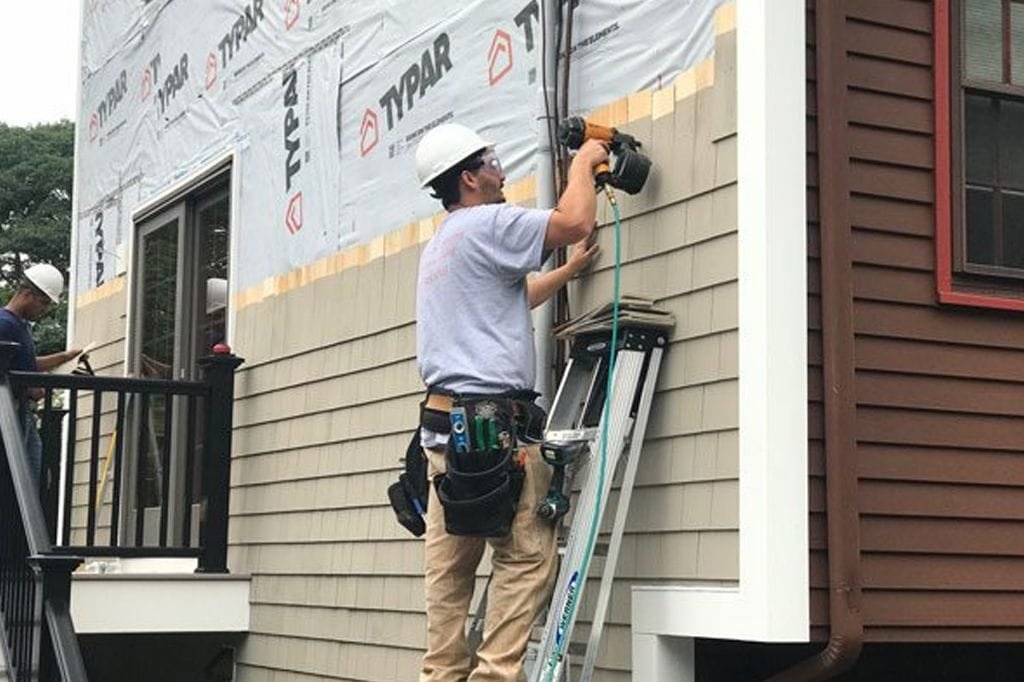
Common Siding Materials Explained
Choosing the right siding materials depends on your budget, climate, and how much upkeep you’re willing to do. Here’s a breakdown of the most popular choices.
Vinyl Siding
Vinyl is the most common choice across the country, and for good reason. It’s affordable, low-maintenance, and comes in dozens of colors and styles. It doesn’t need painting, and it holds up well against moisture. The downside is that it can crack in extreme cold and isn’t as eco-friendly as other options.
Fiber Cement Siding
Fiber cement is a mix of cement, sand, and cellulose fibers. It mimics the look of wood but resists fire, insects, and rot far better. It’s heavier and pricier than vinyl, but it lasts much longer with proper care, often 30 to 50 years.
Wood Siding
Wood gives a home a natural, classic look that many buyers love. Cedar and pine are common choices. The catch is maintenance. Wood needs regular sealing, staining, or painting to avoid moisture damage and pest infestations. If you love the look but want less hassle, engineered wood siding is a smart middle ground.
Metal Siding (Aluminum and Steel)
Metal siding is tough, fire-resistant, and handles harsh weather well. Steel is dent-resistant; aluminum is lighter and naturally rust-proof. It’s a strong pick for homeowners in areas with severe storms or wildfire risk.
Stucco Siding
Stucco is a cement-based finish applied wet, then it hardens into a solid, textured surface. It works best in dry climates since it can trap moisture in wetter regions if not installed correctly. It gives homes a distinctive, Southwestern or Mediterranean look.
Old House Siding Types You Might Still See Today
If you live in an older home, you might be dealing with siding that’s no longer commonly installed. Understanding old house siding types helps you know what you’re working with and whether it needs replacing.
Asbestos siding was widely used until the 1980s. It’s durable but hazardous if disturbed, so removal needs professional handling. Clapboard wood siding, popular in colonial-era homes, requires consistent maintenance to avoid rot. Older aluminum siding from the mid-1900s often shows dents and fading paint after decades of exposure. Asphalt shingle siding, once common on budget homes, tends to crack and lose its protective coating over time.
If your home still has one of these older materials, it’s worth getting a professional opinion. Many older siding types no longer meet modern energy and safety standards, and upgrading can significantly improve your home’s value and efficiency.
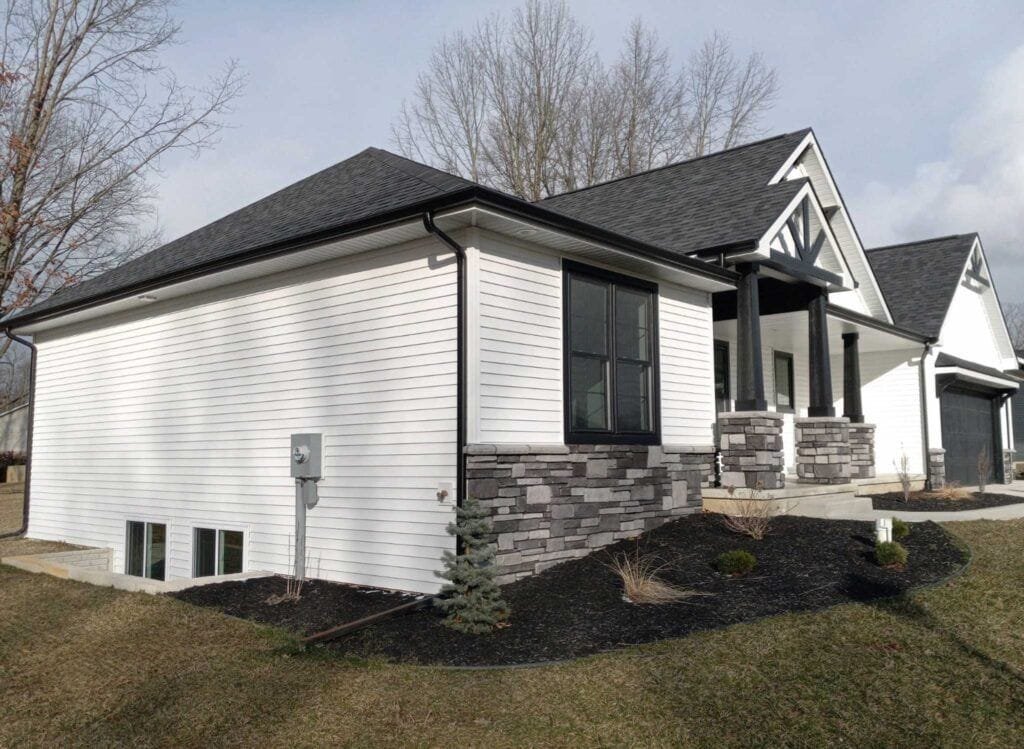
Signs Your Siding Needs Attention
It’s easy to ignore siding until something looks obviously wrong, but there are warning signs worth watching for. Cracking, warping, or bubbling on the surface usually means moisture has gotten underneath. Peeling paint or wallpaper indoors can actually be a siding issue, not just an interior problem; it often means moisture is seeping through the exterior wall. Rising energy bills without a clear reason can point to poor insulation caused by failing siding. Mold or mildew growth near the base of your walls is a strong indicator of trapped moisture.
Catching these signs early saves money. A small repair today is always cheaper than a full replacement later.
How to Choose the Right Siding for House Renovation
Picking the right siding for house projects comes down to a few key factors:
Climate plays a big role. Homes in humid or rainy regions need moisture-resistant materials like fiber cement or vinyl. Homes in colder climates benefit from insulated siding options.
Budget matters too. Vinyl is the most cost-effective upfront, while fiber cement and wood cost more but often last longer and offer better resale value.
Maintenance tolerance is worth thinking about honestly. If you don’t want to repaint or reseal every few years, steer clear of traditional wood and lean toward vinyl or fiber cement.
Local style and resale value should also factor in. Certain neighborhoods have an architectural look that buyers expect. Matching that style can help your home sell faster down the line.
Homeowners in Indiana looking for guidance on the best siding for their specific home and budget can rely on Local Siding in Granger, IN for expert recommendations based on regional weather patterns and home styles.
Siding Isn’t Just for Homes
While most people think of siding for residential properties, commercial buildings need the same level of protection, sometimes more, given their size and exposure. Storefronts, offices, and warehouses all benefit from durable, weather-resistant exteriors that hold up under constant use. If you manage a commercial property, it’s worth looking into siding services for businesses in Elkhart IN to ensure your building stays protected and looks professional year-round.
Final Thoughts
Your siding does a lot of quiet, important work. It protects your home’s structure, keeps energy costs in check, and shapes how your house looks from the street. Whether you’re dealing with old, worn-out siding or planning a fresh renovation, understanding your material options makes all the difference.
Companies like CK Superior Roofing specialize in helping homeowners and business owners choose, install, and maintain siding that fits their needs and budget. Taking the time to choose the right material now means fewer headaches and lower costs for years to come.
Frequently Asked Questions
How long does house siding typically last?
It depends on the material. Vinyl lasts 20-40 years, fiber cement can last 30-50 years, wood siding lasts 20-30 years with proper maintenance, and metal siding often exceeds 40 years.
2. What is the most affordable siding material?
Vinyl siding is generally the cheapest option upfront, making it popular for budget-conscious homeowners who still want a clean, modern look.
3. Can I install new siding over old siding?
In some cases, yes, especially with vinyl over existing wood siding. However, it’s best to have a professional inspect the underlying structure first to check for hidden damage.
4. How do I know if my siding has water damage?
Look for soft spots, discoloration, peeling paint, or a musty smell near exterior walls. These are common signs that moisture has gotten trapped behind the siding.
5. Is fiber cement siding worth the extra cost?
For most homeowners, yes. It offers better fire resistance, durability, and a longer lifespan compared to vinyl, which often makes up for the higher initial price over time.
6. How often should siding be inspected?
A general inspection once a year, plus a closer look after major storms, helps catch small problems before they turn into costly repairs.