
Flat roofs remain a popular choice for both residential and commercial buildings because they offer a clean appearance, efficient use of space, and easier maintenance. However, choosing the right roofing material makes a significant difference in how well the roof performs over time. Every material has different strengths, costs, and maintenance needs. Understanding these differences helps property owners make informed decisions that protect their investment for years. This guide compares the most reliable flat roof materials available in 2026 while explaining where each option performs best. Whether planning a new roof or replacing an aging one, learning about today’s roofing options helps reduce future repair costs, improve durability, and increase long-term value.
Understand What Makes a Flat Roof Material Reliable
Choosing the right roofing material starts with knowing what affects long-term performance. Weather conditions, drainage, maintenance, and installation quality all influence how well a flat roof performs over time. A material that works well in one climate may not be the best choice in another. Many property owners compare different flat roof types before making a decision. Some prioritize durability, while others focus on energy efficiency or maintenance requirements. Understanding these differences helps narrow the options based on the property’s needs.
When comparing materials, consider these important factors:
● Expected lifespan
● Weather resistance
● Maintenance needs
● Installation method
● Repair costs
● Energy efficiency
Taking time to compare these features helps prevent expensive surprises and supports better long-term performance.
EPDM Rubber Roofing Offers Reliable Protection
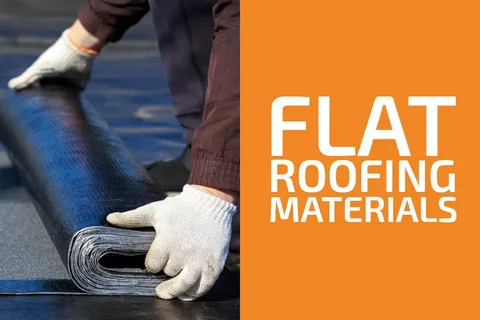
EPDM remains one of the most widely used flat roof materials because it provides dependable protection and excellent flexibility. Made from synthetic rubber, this roofing material performs well in changing temperatures and resists many common weather conditions. Many homeowners looking for rubber roof alternatives compare EPDM with newer materials before making a final decision. Even so, EPDM continues to earn strong reviews because of its proven durability and relatively simple maintenance.
Its main advantages include:
● Excellent weather resistance
● Flexible during temperature changes
● Low maintenance requirements
● Easy repair process
Although sharp objects can damage the surface, routine inspections help identify small issues before they become larger problems. With proper installation and regular maintenance, EPDM can provide dependable service for many years.
TPO Roofing Balances Energy Savings and Durability
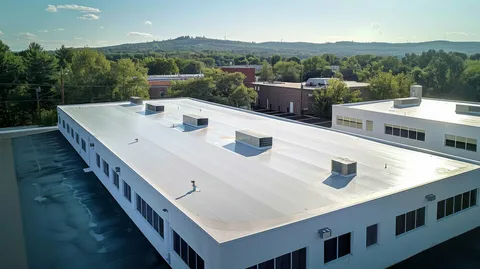
TPO roofing has become increasingly popular because it combines durability with energy efficiency. Its reflective surface helps reduce heat absorption, making it a practical choice in warmer climates where cooling costs can increase during summer. Many experts consider TPO among today’s most dependable roofing materials flat roofing projects because it offers a strong balance between affordability and performance. However, installation quality remains one of the biggest factors affecting long-term performance.
PVC Roofing Performs Well in Tough Conditions
PVC roofing stands out for its excellent resistance to chemicals, moisture, and standing water. These qualities make it especially popular on commercial buildings where rooftop equipment and drainage systems receive constant use. Many roofing professionals recommend PVC for properties exposed to demanding conditions because welded seams create a strong waterproof barrier. Additionally, expert flat roofing contractors in Elkhart, IN, helps improve energy efficiency throughout the year. Although PVC may cost more than some alternatives, its durability often offsets higher upfront expenses over time. Routine maintenance and regular inspections help maximize its lifespan while reducing the risk of unexpected repairs.
Modified Bitumen Provides Extra Strength
Modified bitumen has remained a trusted roofing choice for decades because it combines flexibility with strong weather resistance. It includes reinforced layers that help the roof withstand foot traffic, changing temperatures, and daily wear. As a result, many commercial buildings continue using this dependable system. It also performs well in areas with changing weather because multiple protective layers improve overall strength.
Its key benefits include:
● Strong resistance to tears
● Reliable waterproof protection
● Easy maintenance
● Long service life
● Good performance during temperature changes
For buildings that experience regular rooftop access, modified bitumen offers dependable protection while helping reduce future repair concerns.
Built-Up Roofing Delivers Proven Long-Term Performance
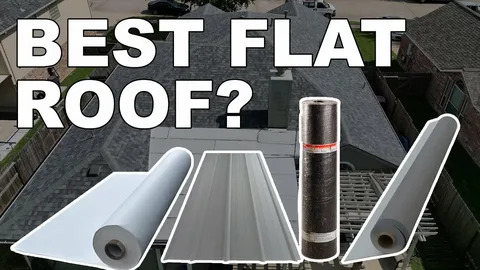
Built-up roofing, often called BUR, has protected buildings for many years. This roofing method uses several layers of roofing felt and asphalt to create a durable waterproof surface. Because of its layered construction, BUR offers dependable protection against moisture and harsh weather. Many property owners searching for the best flat roof system compare BUR with newer materials before making a final decision. Regular inspections and simple maintenance help extend its lifespan while protecting the building throughout changing seasons.
Spray Foam and Metal Roofing Continue to Grow
Spray polyurethane foam and standing seam metal roofing have become more popular for flat and low-slope roofs. Spray foam creates a seamless barrier that helps prevent water penetration while improving insulation. Meanwhile, metal roofing offers exceptional durability and requires minimal maintenance. Many property owners ask about the longest lasting flat roof material before choosing a replacement roof. Metal roofing often stands out because many properly installed systems last several decades with routine maintenance.
Both materials offer valuable benefits:
● Excellent weather resistance
● Improved energy efficiency
● Reduced maintenance needs
● Long service life
● Strong overall performance
The best choice depends on the building, local weather, and long-term maintenance expectations rather than a single feature.
Choosing the Right Flat Roof Starts with Your Property
Every building has different roofing needs. Climate, drainage, roof size, budget, and expected lifespan all influence the right choice. Instead of focusing only on price, consider how each roofing material performs over many years.
Property owners researching flat roof solutions Mishawaka, IN, often compare several materials before selecting the best option. This careful approach helps reduce future maintenance costs while improving long-term protection.
Questions to Consider Before Choosing
● How much maintenance is acceptable?
● What weather conditions affect the building?
● What lifespan is expected?
● Is energy efficiency important?
● What is the long-term budget?
Taking time to answer these questions makes selecting the right roofing material much easier.
The Right Roofing Material Creates Long-Term Value
Choosing the right flat roofing material is an investment in your property’s future. Every option offers different strengths, and understanding those differences leads to smarter decisions. Regular flat roofing services for homes and businesses in Goshen, IN also help extend roof life regardless of the material selected. Property owners who stay informed often enjoy fewer unexpected repairs and better overall performance. Trusted roofing professionals, including CK Superior Roofing, understand the value of selecting quality materials that provide dependable protection for years to come.
FAQs
1. What is the best material for a flat roof?
The best flat roof material depends on your climate, budget, and maintenance preferences. Popular options include EPDM, TPO, PVC, modified bitumen, built-up roofing, spray foam, and metal roofing.
2. Which flat roof material lasts the longest?
Metal roofing and high-quality PVC systems are among the longest-lasting flat roof materials. With proper installation and regular maintenance, they can provide reliable performance for several decades.
3. How often should a flat roof be inspected?
Flat roofs should be professionally inspected at least once a year and after severe storms. Regular inspections help identify minor issues early before they develop into costly repairs.
4. Are flat roofs more expensive to maintain than sloped roofs?
Not necessarily. Routine maintenance for flat roofs is often straightforward. Cleaning debris, checking drainage, and repairing small issues promptly can help reduce long-term maintenance costs.
5. How do I choose the right flat roofing material for my property?
Consider your local climate, expected roof lifespan, maintenance requirements, energy efficiency goals, and budget. Comparing these factors helps you select the most suitable flat roofing material for your building.