
For homeowners considering an upgrade, knowing whether a new roof add value is essential before making a significant investment. We help homeowners understand the practical, financial, and aesthetic benefits of replacing an old roof. Your roof is one of the most critical structural elements of your home — protecting everything beneath it from weather, moisture, and daily wear. But beyond protection, a new roof can influence your home’s resale value, curb appeal, and overall marketability.
Whether you’re planning to sell soon or you simply want to enhance your home’s performance and appearance, understanding how roofing impacts your property value helps you make an informed decision. In this guide, we walk through the evidence, the numbers, and the real-world outcomes that show just how a roof upgrade affects your home’s worth.
How a New Roof Affects Home Value and Curb Appeal
When potential buyers evaluate a property, the roof is often one of the first features they notice — because it’s the most visible line of defense between the home and the elements. A fresh, well-installed roof communicates care, reduces perceived risk, and signals Including roof repair services in Goshen, IN that the home has been maintained properly. These factors can translate into a higher appraisal value and stronger buyer interest.
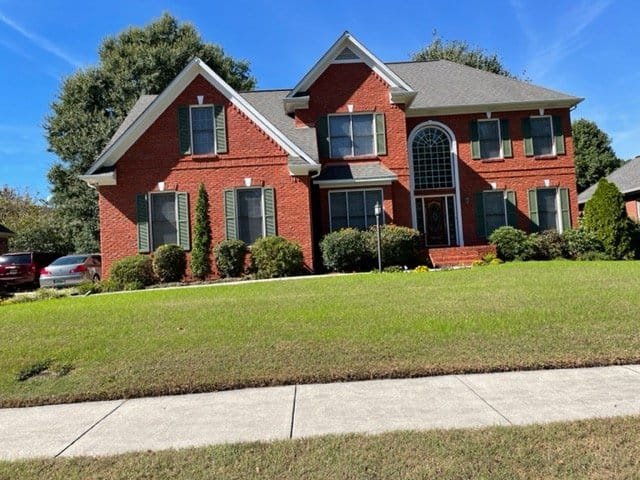
From a curb appeal perspective, an upgraded roof acts like a fresh coat of paint or a new front door — it refreshes the look of the entire home. Modern roofing materials come in a wide range of colors, textures, and finishes that complement architectural styles from traditional to contemporary. When comparing before and after roof visuals, homes with new roofs often appear more inviting, cohesive, and visually striking.
Curb appeal matters because it influences first impressions, which are critical when pricing a home competitively. Real estate experts often agree that homes with solid, attractive roofs sell faster and at higher price points than equivalent homes with visibly worn or outdated roofing.

Energy Efficiency, Functionality, and Long-Term Savings
Beyond aesthetics, a new roof can enhance your home’s performance. Modern roofing systems incorporate improved insulation, reflective coatings, and better ventilation designs compared to older systems. These advancements can reduce heat gain in summer, help retain warmth in winter, and contribute to lower utility bills.
When considering whether a new roof add value, homeowners should account for this functional value — the difference between a roof that merely keeps water out and a roof that actively supports energy savings and comfort. In many housing markets, energy-efficient upgrades are attractive to buyers and sometimes factored into appraisals.
For example, roofs with radiant barriers or cool-roof technology can qualify for energy incentives in some areas, increasing both your savings and your home’s appeal. Combine a well-insulated roof with proper attic ventilation, and you not only improve energy performance but also extend the lifespan of your HVAC system by reducing strain.
Professional upgrades such as professional roof installation in Elkhart, IN ensure these performance improvements are executed correctly, maximizing both short-term comfort and long-term return on investment.
How to Choose the Right Roofer for Maximum Value
Choosing the right roofing contractor is critical to realizing value from your investment. Work with licensed, insured professionals who provide:
- Written estimates
- Clear timelines
- Warranty coverage
- Material performance data
- Post-installation documentation
For residents in northern Indiana, services like Expert Re Roofing in Granger, IN offer expert guidance and professional execution that maximize both appearance and structural integrity.
Before and After Roof: Visual & Financial Impact
Many homeowners ask: “How does roofing impact my home value compared to other upgrades?” While every home and market is unique, replacing an aging roof often yields a higher value increase per dollar spent than cosmetic improvements like paint or landscaping alone. When Realtors perform comparative market analyses (CMAs), homes with recent roof replacements frequently appraise higher than similar homes with older roofs.
Examining before and after roof scenarios provides insight into the transformation potential. A worn, discolored roof with missing shingles or uneven wear can pull down the perceived value of even a well-kept home. Accessories such as gutters, fascia, and trim may also look tired next to an outdated roof surface.
After a new roof installation, the overall exterior looks complete and intentional. Buyers feel confident there won’t be major upfront expenses, and appraisers see reduced risk of deferred maintenance. In competitive real estate markets, small differentiators like a durable roofing system can be decisive.
Which Roofing Materials Add the Most Value?
Not all roofing upgrades are created equal when it comes to value. The materials you choose influence both performance and perceived worth.
- Architectural asphalt shingles: Widely popular due to durability and cost-effectiveness. These shingles add more value than basic three-tab varieties and stack well in value assessments.
- Metal roofing: Known for longevity and resistance to weather, metal roofs can add considerable resale value, especially in areas prone to storms or wildfires.
- Clay or concrete tiles: Excellent in warm climates, offering longevity and a premium look that attracts buyers in certain regional markets.
- Slate roofing: Luxury material with exceptional durability that signals high quality — ideal for historic or high-end homes.
Remember, the “best” material depends on your home’s style, local climate, and buyer expectations. Consulting with professionals ensures your choice aligns with both design and value goals.
Should You Replace Your Roof Before Selling?
One of the most common questions homeowners ask is whether they should replace a roof before listing. The short answer: In many cases, yes. Especially if your roof shows visible signs of aging — curling shingles, granule loss, sagging, or leaks — replacement can remove buyer hesitation and increase your negotiation leverage.
Buyers often use an old roof as a bargaining point, even if the rest of the home is in excellent condition. Investing in a new roof before selling neutralizes that concern, simplifies inspections, and can shorten the time your home sits on the market.
If a roof still has usable life left but isn’t visually appealing, consider cosmetic upgrades or inspections from certified roofers to document integrity. A pre-sale inspection helps show buyers that no major replacement is needed in the near term.
Design and Color: Enhancing Value Through Aesthetics
Design and color matter just as much as function when it comes to resale value. The roof color you choose should complement your home’s siding, trim, and architectural style. Neutral colors often have the broadest appeal, while bold contrast roofs can attract niche preferences.
For instance:
- Warm earth tones pair well with natural stone facades.
- Charcoal greys and blacks offer a modern, crisp look on contemporary homes.
- Light tan or brown blends enhance traditional exteriors without overwhelming visual balance.
Roof slope and complexity also affect perceived value. Steeper pitches and multi-plane roofs signal architectural sophistication. When thoughtfully designed, roofs become an integral part of the home’s overall aesthetic and market appeal.
The Long-Term Financial Perspective
Considering does new roof add value shouldn’t stop at sales price alone. Long-term financial benefits include:
- Reduced repair costs for interior water damage
- Longer lifespan for insulation and attic systems
- Lower utility bills through improved thermal performance
- Fewer emergency repairs and unplanned maintenance
From a homeowner’s perspective, these benefits increase livability and financial stability. For buyers, a newer roof means peace of mind and reduced immediate expenses.
FAQs
1. Does a new roof add value even if I’m not selling?
Yes. Even if you’re not selling soon, a new roof enhances comfort, reduces maintenance risk, and contributes to long-term equity growth.
2. How much value does a new roof add to resale price?
While values vary by market, a new roof can increase appraised value by several thousand dollars and make a home more competitive.
3. Should I repair minor roof issues or replace before selling?
If multiple minor issues are present or the roof is approaching the end of its life, replacement is usually a better investment than repeated repairs.
4. Do roofing warranties affect home value?
Yes. Transferable warranties on materials or workmanship can make a home more attractive to buyers and sometimes improve appraisal value.